



Whether you're a retailer sourcing for a new product line, a hotel group upgrading its room amenities, or a brand looking to launch private-label bedding, the decision to order custom quilts from a factory raises the same core questions every time. How much flexibility do you really have? What's the minimum you can order? How long will it take?
At Tongxiang Xinlong Bedding Co., Ltd., we've been manufacturing and exporting custom quilts and home textile products since 2002. Over more than two decades, we've answered these questions thousands of times for buyers across Europe, North America, and beyond. Here, we've compiled the five most common questions — and given you the straight answers directly from our factory floor.
What Does "Custom Quilt" Actually Mean at a Factory Level?
The word "custom" gets used loosely in the bedding industry, so it's worth being precise. At the factory level, customization covers several independent dimensions — and you can mix and match them based on your project needs.
Size customization is the most straightforward. Standard sizes (Twin, Full, Queen, King) are a starting point, but we regularly produce quilts in non-standard dimensions for hospitality clients, children's lines, and export markets with different bed standards. Provide your target dimensions and our team will engineer the cutting and filling ratios accordingly.
Shell fabric customization lets you specify the outer material — its weave, weight, color, and surface treatment. Common shell options include plain microfiber, jacquard-woven cotton, printed polyester, and brushed flannel. If you have a brand color palette, we work with Pantone references to match it across production runs.
Fill material and weight customization is where thermal performance is controlled. You choose the fill type (more on this below) and the fill weight in grams per square meter (GSM), which determines how warm or lightweight the quilt feels. A summer quilt may use 100–150 GSM fill; a winter-weight quilt can run 300 GSM or higher.
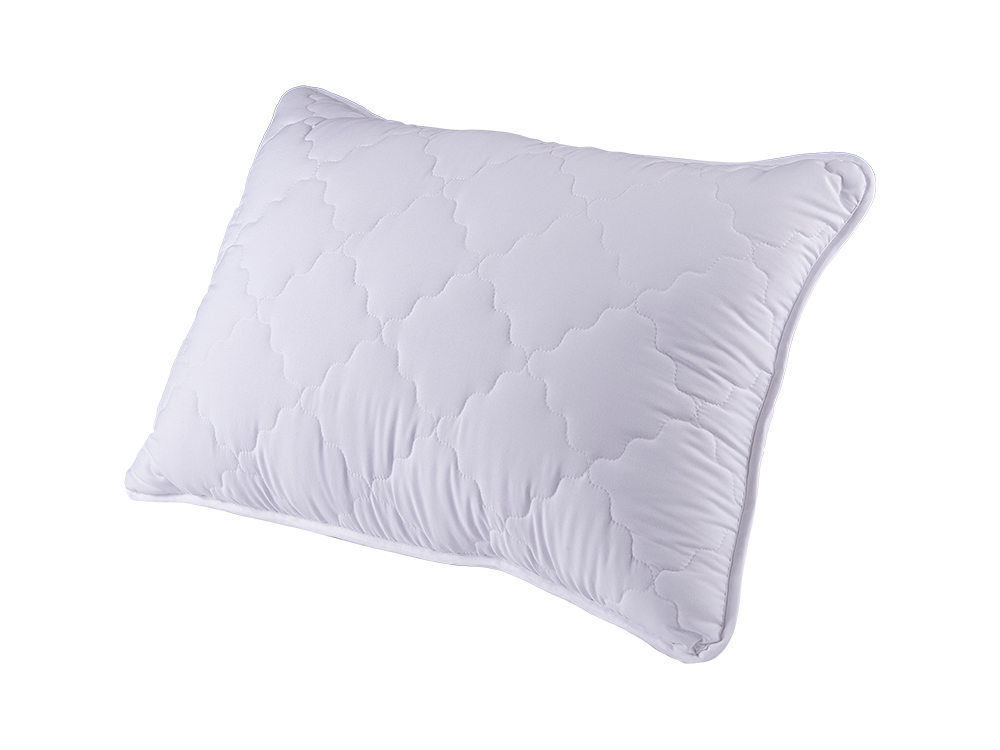
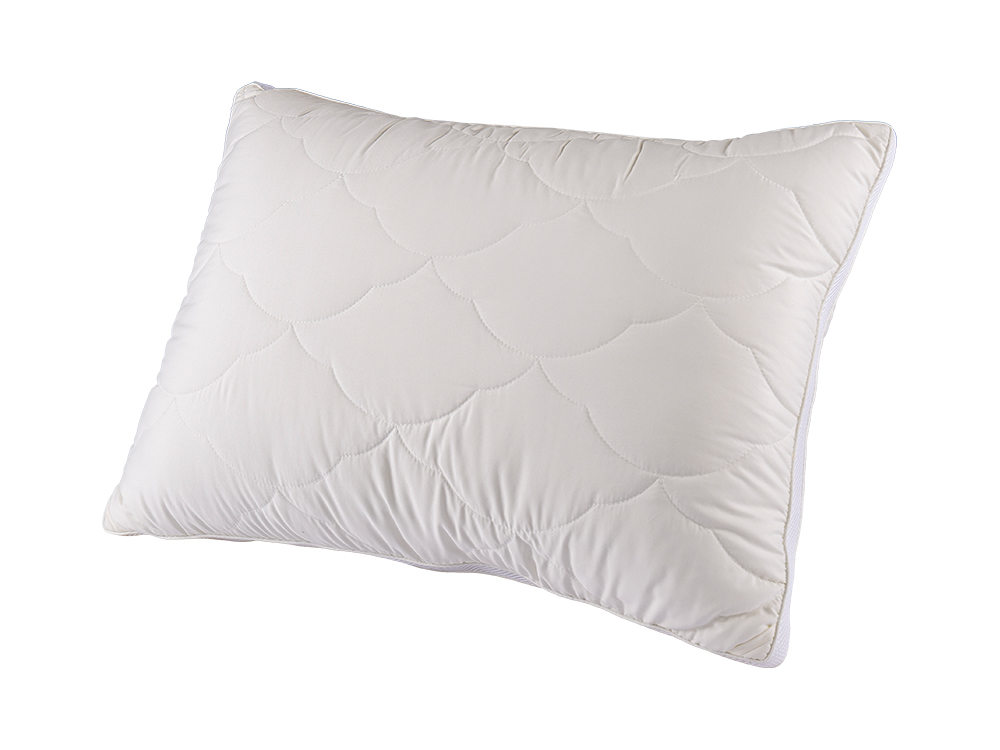
Quilting pattern customization refers to the stitching design that holds the fill in place and gives the quilt its visual texture — diamond grids, box patterns, channel stitching, curved motifs, or custom embroidery. Each pattern affects both aesthetics and how the fill distributes inside the quilt.
Packaging and labeling round out the customization scope. Private-label orders include your brand's hang tags, care labels (in your required languages and formats), poly bags, and retail-ready boxes — all produced to your specifications.
In short: if you can describe what you want, we can almost certainly build it. Our in-house R&D team works directly from customer drawings, samples, or even mood board references.
What Is the Minimum Order Quantity (MOQ) for Custom Quilts?
MOQ is typically the first question buyers ask, and for good reason — it determines whether a project is commercially viable before any other planning begins.
For fully custom quilts (unique fabric + fill + size + label combination), our standard MOQ is 500 pieces per SKU. This threshold reflects the economics of setting up custom fabric cuts, programming jacquard looms or print runs, and pre-production sampling. Below this quantity, the per-unit setup cost makes pricing uncompetitive for most buyers.
However, there are important nuances worth knowing:
For sample orders, we produce pre-production samples (typically 1–3 pieces) so you can physically evaluate materials, weight, stitching quality, and label placement before committing to full production. Sample lead time is usually 7–15 business days. Sample costs are charged but credited back against your bulk order once confirmed.
For stock designs with custom labeling only, the MOQ can be lower — sometimes as few as 200–300 pieces — because the core product is already in production and only the packaging layer is customized.
For large-volume buyers (department store chains, hospitality groups, major importers), we work on annual contract frameworks where smaller individual shipments are possible against a committed annual volume. This gives you supply-chain flexibility without the per-shipment MOQ constraint.
Our advice: if you're unsure whether your volume is sufficient, contact us with a rough quantity estimate. We'll tell you honestly whether the numbers work, and if not, suggest alternatives — including combining multiple SKUs into a single order to reach the threshold collectively.
What Filling Materials Can I Choose for My Custom Quilt?
Fill material is the single biggest driver of a quilt's feel, warmth, weight, price, and care requirements. At Xinlong, we work with the following core fill options:
Polyester fiber fill is our most widely used fill. It's cost-effective, hypoallergenic, machine-washable, and available across the full GSM range from ultra-light to heavy winter weights. Modern hollow-conjugate polyester fibers offer a loft and softness that closely mimics down, making this the default choice for mid-market and hospitality applications. Our polyester microfiber quilts combine this fill with brushed microfiber shells for exceptional all-season comfort.
Cotton fill is the natural choice for buyers whose customers prioritize breathability and organic materials. Cotton batting regulates moisture exceptionally well and tends to feel heavier and more "grounded" than polyester. It's popular for warm-climate markets and organic/natural product lines. Cotton-filled quilts typically require gentler washing care and take longer to dry.
Bamboo fiber fill has grown significantly in demand. Bamboo-derived fill offers natural antibacterial properties, excellent moisture-wicking, and a silky hand-feel. It's particularly attractive for brands targeting health-conscious or eco-minded consumers, and pairs naturally with OEKO-TEX certified shell fabrics.
Silk fill is our premium offering. Mulberry silk fill is exceptionally lightweight for its warmth, naturally hypoallergenic, and temperature-regulating in both directions (warm in winter, cool in summer). Silk quilts command a higher price point and target luxury retail channels.
Blended fills — such as cotton-polyester or bamboo-polyester combinations — are increasingly common because they let brands balance performance, cost, and marketing narrative. A 70/30 cotton-polyester fill, for example, delivers most of cotton's breathability at a lower material cost.
When specifying fill, provide your target end-use (summer, all-season, winter), target retail price point, and any material certifications your market requires. Our team will recommend the fill type and GSM combination that best fits your brief.
How Long Does It Take to Produce a Custom Quilt Order?
Lead time is one of the most important — and most misunderstood — aspects of factory ordering. It's not a single number; it's a sequence of stages, each with its own timeline.
The typical production timeline for a custom quilt order breaks down as follows:
| Stage | Typical Duration | Notes |
|---|---|---|
| Quotation & spec confirmation | 3–5 business days | Faster if specs are detailed upfront |
| Pre-production sample | 7–15 business days | Includes fabric sourcing if non-stock |
| Sample approval (buyer side) | 3–10 business days | Buyer's internal review time |
| Bulk production | 25–45 business days | Depends on order volume and complexity |
| QC inspection & packing | 3–5 business days | Third-party inspection can be arranged |
| Sea freight (to Europe/US) | 25–35 days | Air freight available for urgent needs |
From placing a confirmed order to goods arriving at a European or North American port, buyers should typically plan for 70–100 days total, including freight. This is why experienced importers place orders 3–4 months ahead of their target in-store or launch date.
Several factors can compress or extend this timeline. Orders using stock shell fabrics move faster than those requiring custom fabric development. Simple quilting patterns (box stitch, channel stitch) are faster to set up than complex embroidery or multi-zone stitching. Orders placed during peak manufacturing season (Q3, ahead of the holiday retail period) may carry slightly longer production lead times.
If you have a hard deadline, tell us at the inquiry stage. We can advise on whether your timeline is feasible and, if necessary, prioritize your slot in the production schedule or arrange expedited freight.
How Do I Know the Factory Meets Quality and Safety Standards?
For buyers importing into regulated markets — particularly the EU, UK, and North America — this is not a box-ticking exercise. It's a fundamental supply-chain requirement. Retailers, hospitality chains, and e-commerce platforms increasingly demand verified compliance before a supplier relationship can begin.
Tongxiang Xinlong Bedding holds the following certifications, which are available for review upon request:
- OEKO-TEX Standard 100 — Certifies that our textile products have been tested for harmful substances and are harmless to human health. This is the baseline requirement for most EU and US retail buyers.
- OEKO-TEX STeP (Sustainable Textile Production) — Covers our production facility itself: chemical management, environmental performance, occupational health, and social responsibility.
- GRS (Global Recycled Standard) — Certifies recycled content claims in our recycled polyester products, required by brands making sustainability claims to consumers.
- BSCI (Business Social Compliance Initiative) — Demonstrates our compliance with social standards covering labor rights, workplace safety, and fair working conditions.
- ISO 9001 & ISO 14001 — Cover our quality management systems and environmental management systems respectively.
Beyond certifications, our quality assurance process is embedded at every production stage. Incoming raw materials are inspected against specifications before entering production. In-line quality checks occur during cutting, filling, quilting, and finishing. Final inspection covers appearance, dimensions, fill weight, stitching density, and packaging integrity before goods are approved for shipment.
For buyers who require independent verification, we fully support third-party pre-shipment inspection by agencies such as SGS, Bureau Veritas, or Intertek. Many of our long-term partners use this as a standard part of their quality protocol, and we accommodate it without issue.
Our certifications are renewed annually, and we are committed to expanding our compliance scope as market standards evolve — particularly in sustainability, where buyer requirements are becoming more specific each year.
Ready to Start Your Custom Quilt Order?
The fastest way to get a meaningful response from our team is to come prepared. When you reach out, include your target quilt size, approximate annual or order volume, any specific fill or material preferences, your required certifications, and your target delivery window. The more detail you provide upfront, the faster we can deliver an accurate quotation and timeline.
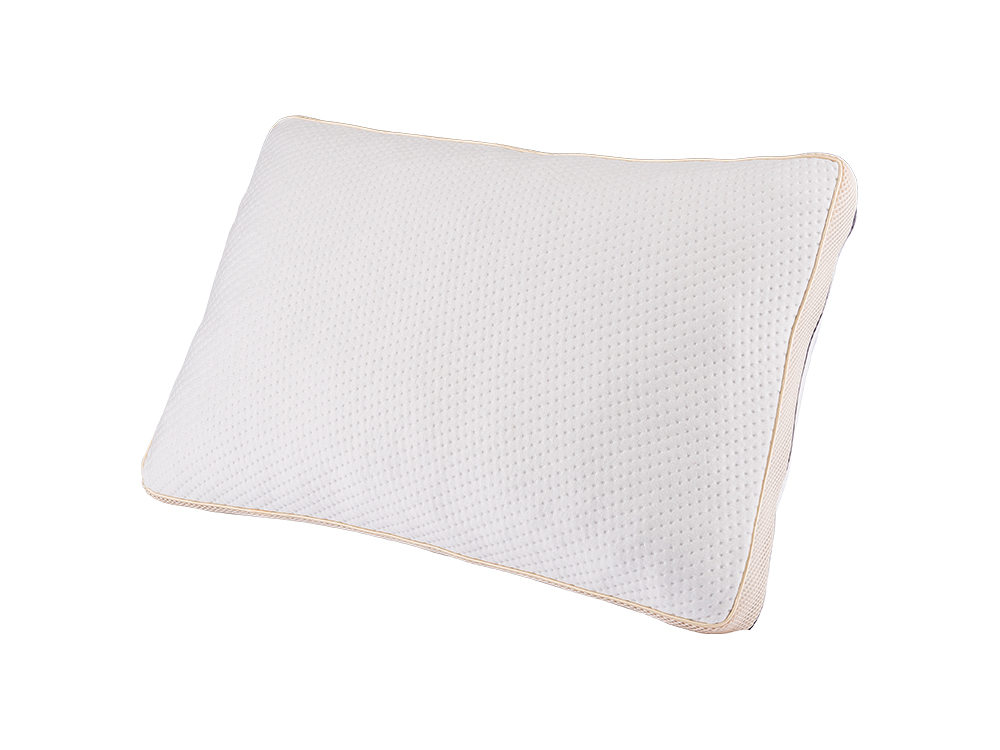
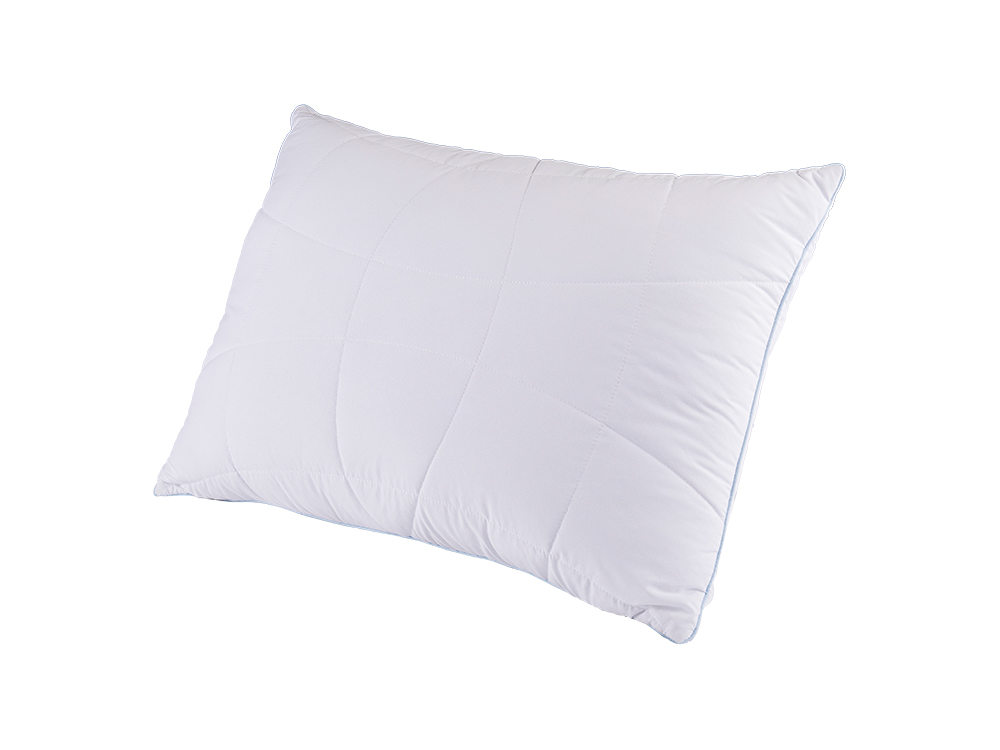
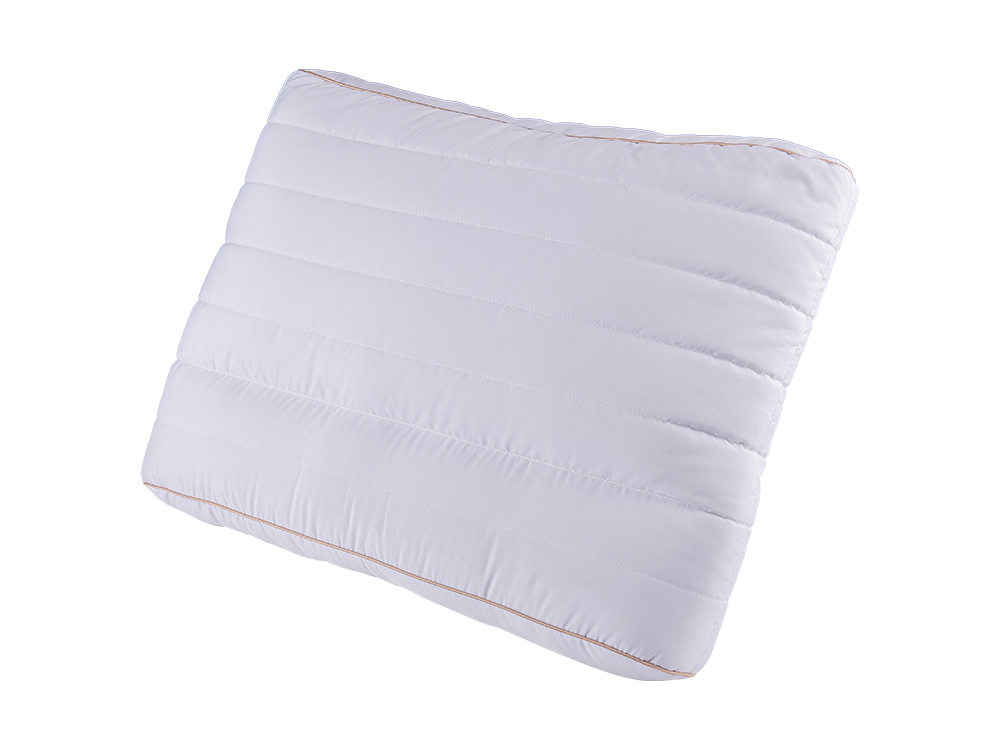
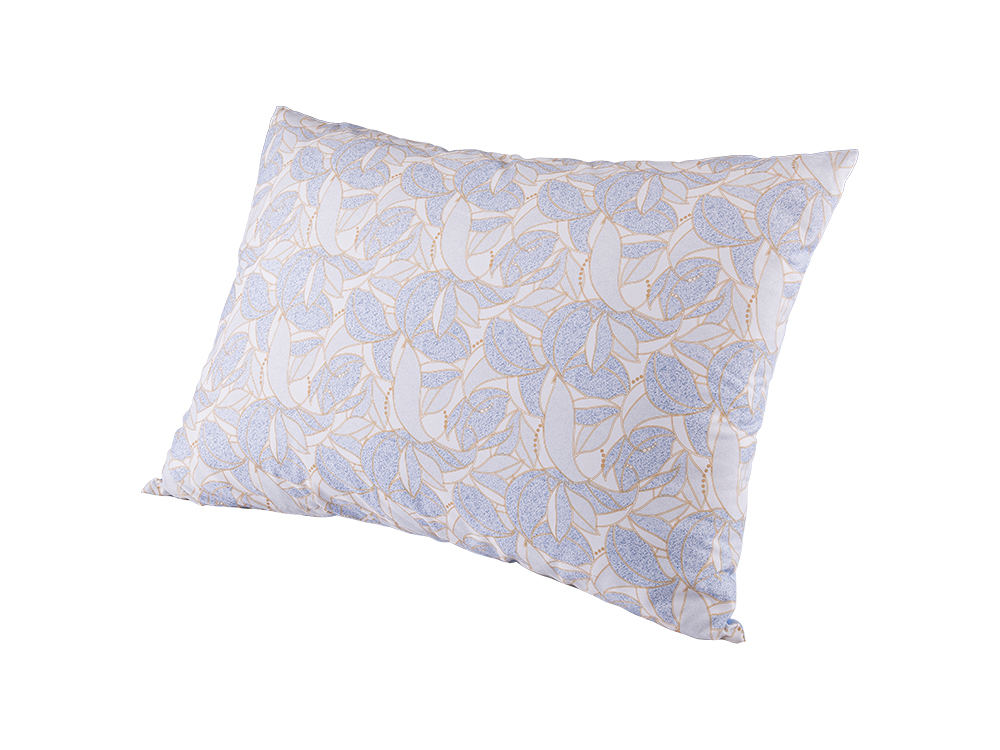
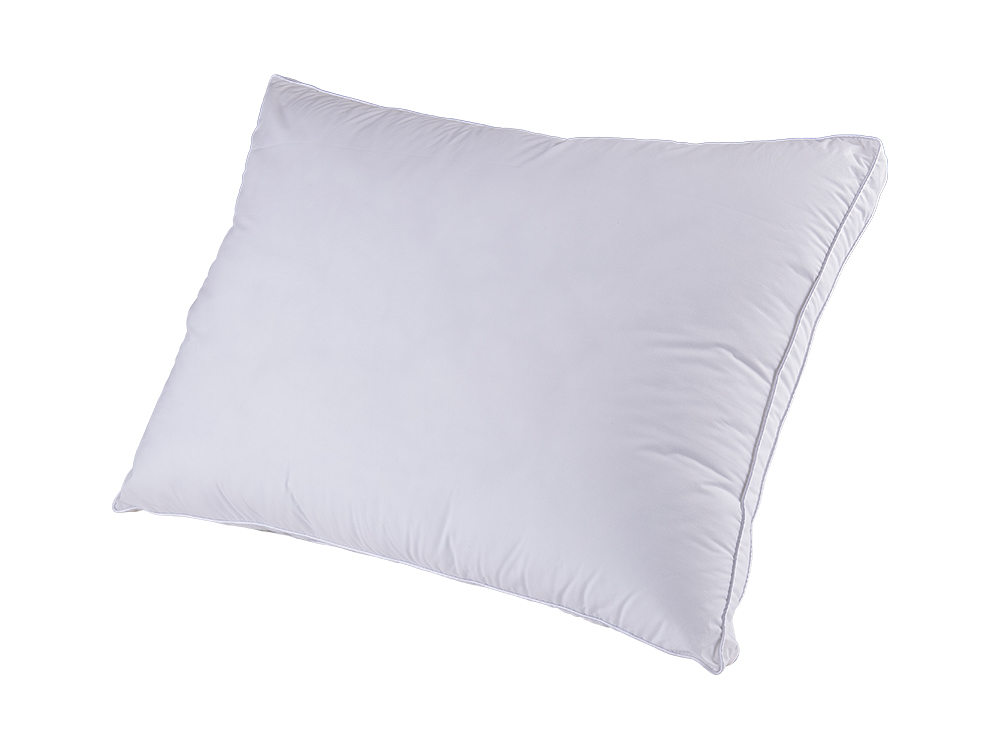
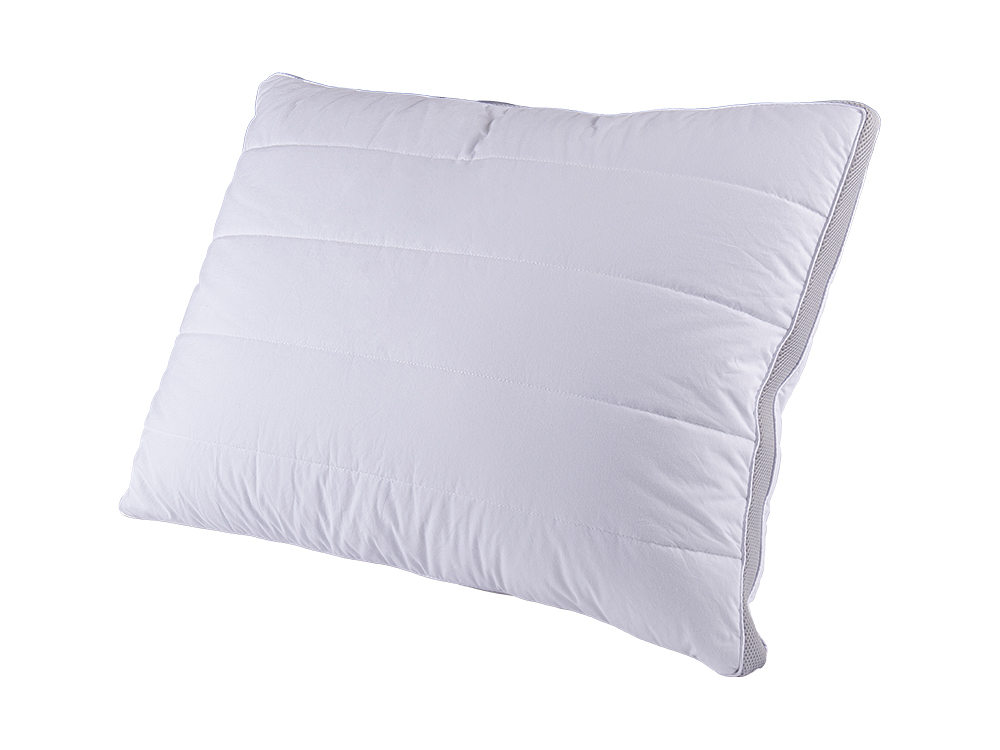
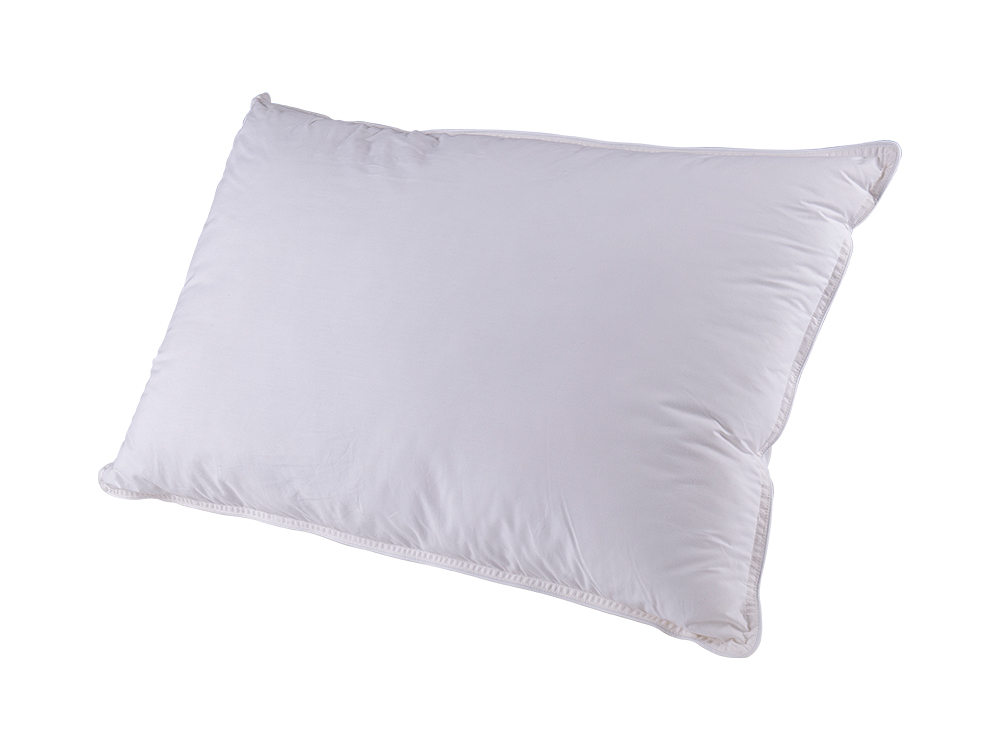
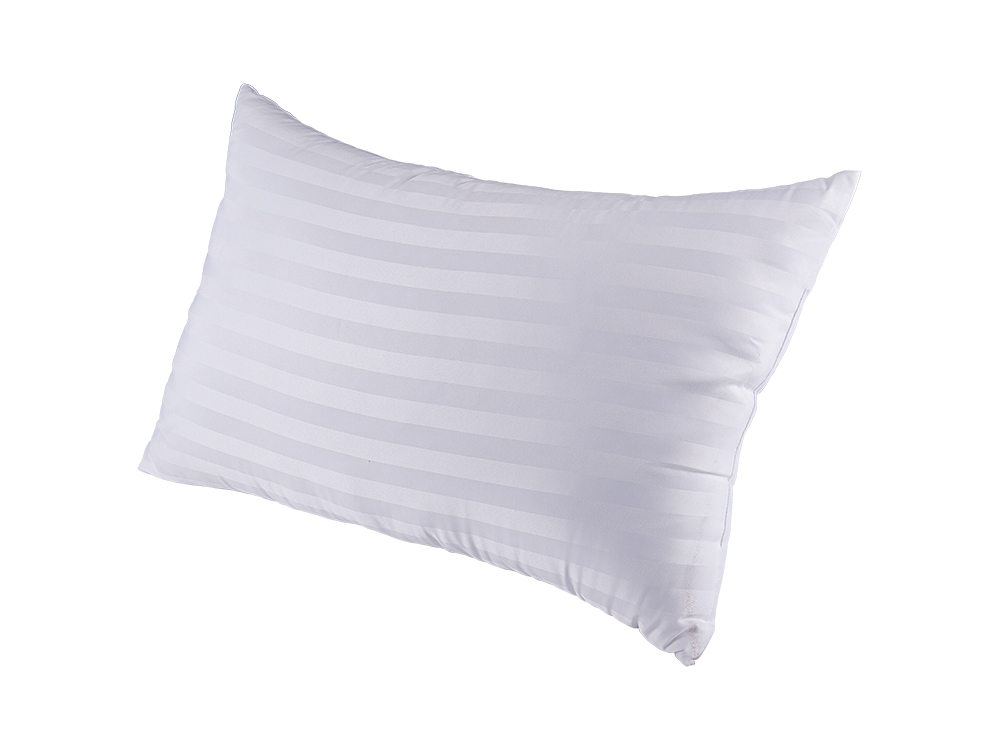
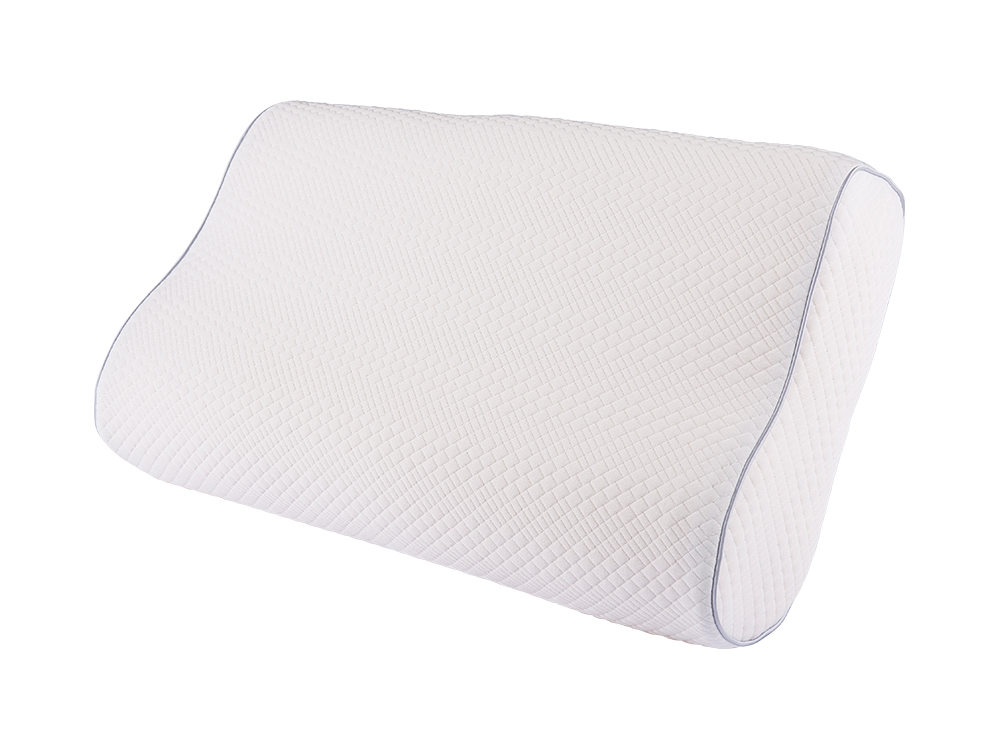
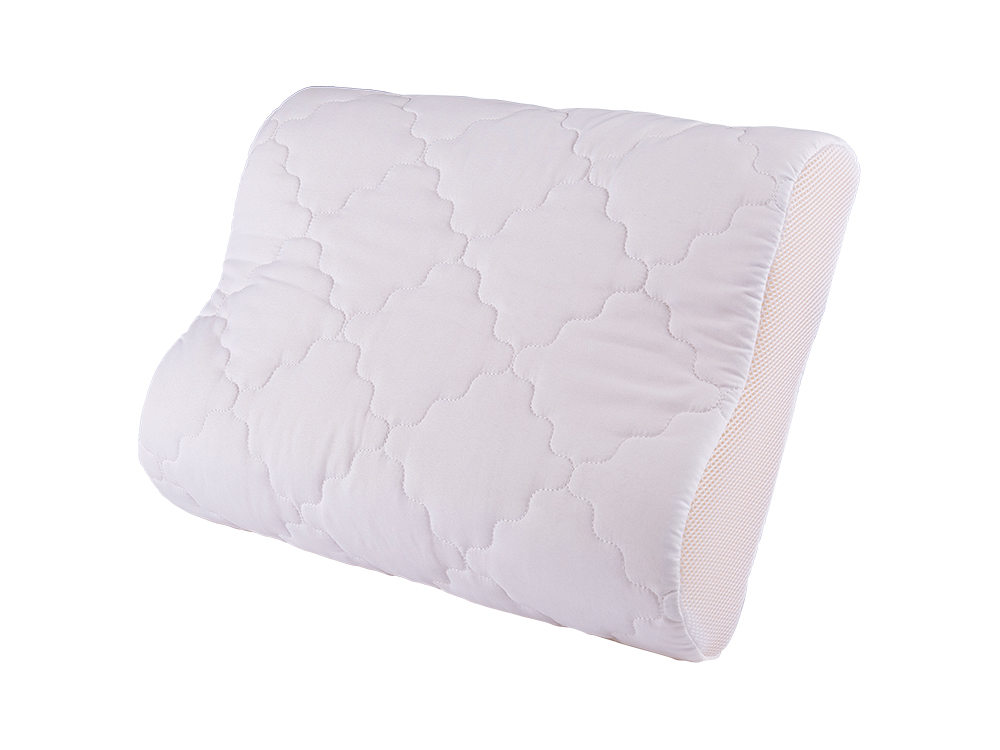
Xinlong Bedding is a full-service manufacturing partner — from sample development through bulk production and export logistics. In addition to quilts, our factory produces a complete range of coordinating home textile products, including mattress protectors and bed covers, pillows, blankets, and cushions, making it possible to consolidate your bedding range with a single verified supplier.
We look forward to hearing about your project.

 +86-573-88798028